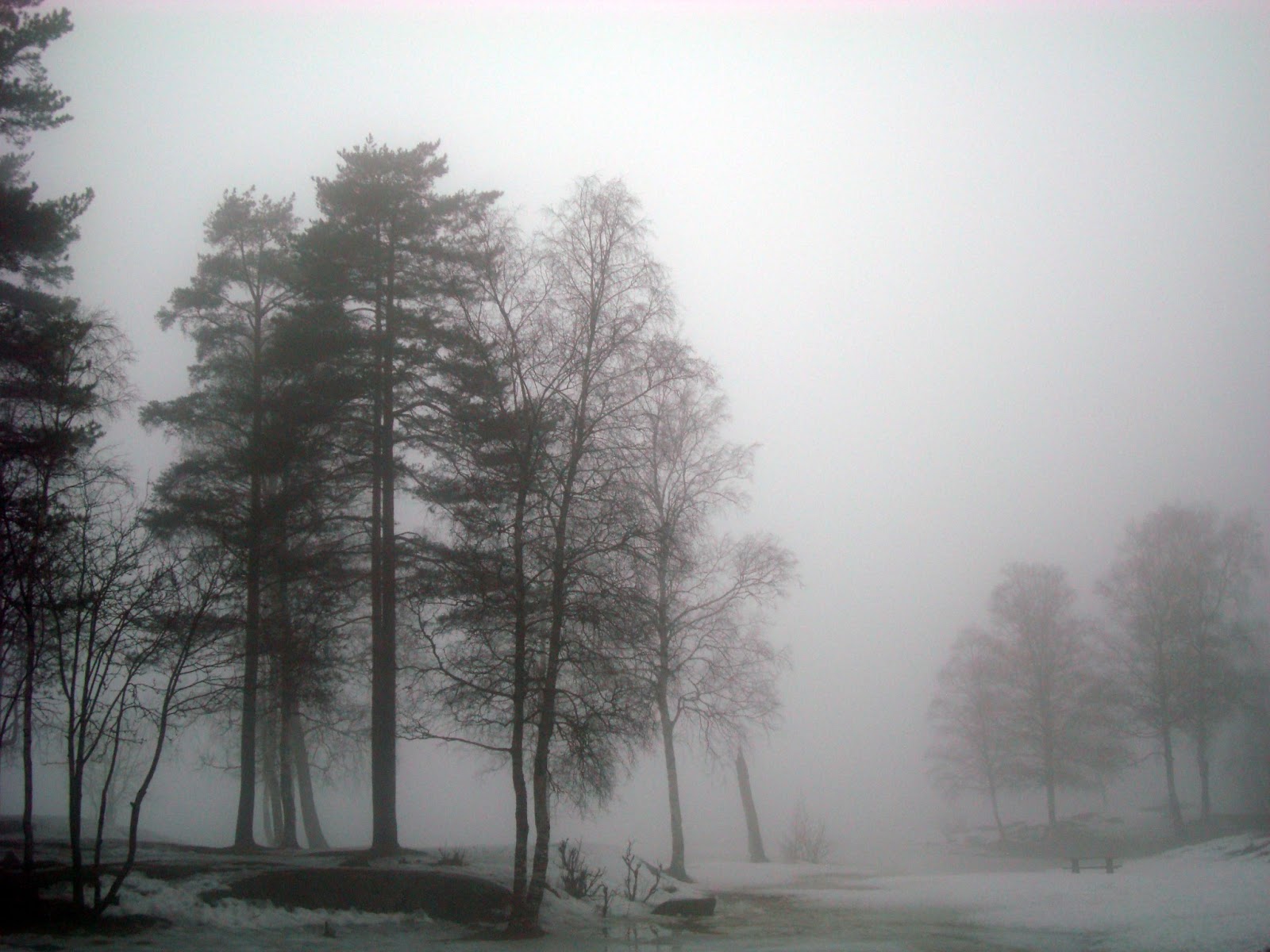
Norway is a unique country, very different to other Scandinavian countries, and definitely different to the rest of the world. That was the primary reason why I chose to spend a year here, wanted to get to know its culture, its people better, and through this discover about myself more. When I left London I wanted to go on the journey of exploration, and not just of the outside world, but particularly the world within myself. I needed the time to think, to reflect, and I needed to remove myself from the social circle I created for myself in London. There, I always felt that something was wrong; I could not ‘connect’ to anyone, and found it difficult to find a person I could feel comfortable with, to spend long time with them. English culture at that time seemed 'jumpy' to me, with many unstable relationships, many misunderstandings based on very different worldviews shared by people around me. I have been very much aware of the fact that it wasn’t the outside world that was complex, difficult and weird; it was me, my mind was messed up, and so I made the whole life of mine into a tough and difficult journey, which in reality it did not appear to be. But I couldnt change my unsatisfaction at that time, as much as I have tried to make myslef like my life back then. I had a good stable job, nice place to live, and still it felt wrong.
‘Do not complicate’ things, live simple-live happy – these principles I wanted to learn, I wanted to learn to concentrate on the present, do not overthink about the future, do not overanalyze situations and relationships, I wanted to find me, the deep core of me, so outside world would not affect me as much anymore, and I can live happily in the present, with no influence from tones of useless information from newspapers, televisions and people I meet on the way. I wanted to develop more self-confidence and self-awareness, and I wanted to distance myself from the public opinion, I wanted to learn how to make my own decisions and not care what other might think. I wanted to sort out all the problems of the past. I did not think that I will sort out all my problems by just going abroad, but at least I thought it can make me into a better human. I wanted to break free from my London routine, to say the least. And so I thought that going abroad, if not will help solve personal problems of mine, and answer to some of the personal questions, can at least set me in the right direction, can enable me to look at things from another perspective.
Why Norway then? Why not any other, much cheaper country? I just thought that Norway was a country with most beautiful nature, and I also knew couple of people here through my friends in Denmark, so I thought I won’t be too isolated. I also wanted to experience the country with colder temperatures, and more snow. I had great memories of snow and white winters when I was growing up in Russia and it was these memories that probably made the choice subconsciously for me. I also wanted a socially stable country, with little crime and more peace, and I was ready to pay for it. I wanted peace and quiet, to live in the society with a lot of trust and little corruption. I also did not want to go very away from England just yet, as I wanted to have the opportunity to fly back to England in case of homesickness hitting me big time. And so Norway appeared to be the perfect choice..